
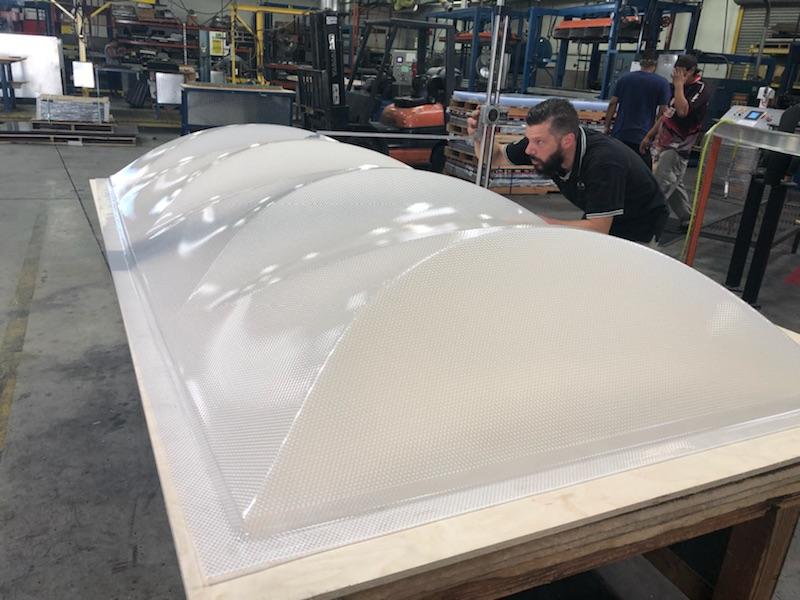
Selecting the right plastic is an important step when developing a custom vacuum formed part. The material affects more than appearance—it can influence durability, flexibility, temperature resistance, chemical resistance, and overall performance.
Because different applications have different requirements, understanding the properties of common vacuum forming materials can help you make a more informed decision before production begins.
What Should You Consider When Choosing a Material?
The best material depends on how the finished part will be used. Consider factors such as:
- Durability: Will the part experience impact, abrasion, or repeated use?
- Flexibility: Does the application require a rigid part or some degree of flexibility?
- Temperature: Will the component be exposed to heat, cold, or temperature fluctuations?
- Chemical resistance: Could it come into contact with oils, solvents, cleaning products, or other chemicals?
- Appearance: Does the finished part need a specific color, texture, finish, or level of transparency?
Defining these requirements early can make it easier to narrow down the available plastic materials for vacuum forming.
Common Materials Used for Vacuum Forming
Several thermoplastics can be used to create custom formed parts, and each offers different characteristics.
ABS is known for its strength, impact resistance, and versatility, making it useful for a variety of fabricated components and enclosures.
PETG offers good clarity, durability, and ease of forming. It can be a practical choice when appearance and toughness are both important.
Polycarbonate is valued for its strength and impact resistance and may be appropriate for applications that require a more durable material.
HDPE and polypropylene can offer useful combinations of durability and chemical resistance, depending on the specific application.
The right choice isn’t necessarily the material with the most impressive individual properties. It is the one that best matches the requirements of the finished part.
Consider the Entire Manufacturing Process
Material selection should also be considered alongside tooling, part geometry, thickness, tolerances, and production volume. A material that works well for one design may not be the best option for another.
Working with an experienced manufacturer during the design stage can help identify potential issues before production. Learn more about custom vacuum forming and how material selection fits into the process.
Get the Right Material for Your Application
Choosing the right material is an important part of producing reliable, functional vacuum formed parts. By evaluating the application’s performance requirements alongside manufacturing considerations, you can select a material that supports both product quality and production goals.
For projects that require additional development support, contact The Pro Design Group to discuss your project’s requirements.