
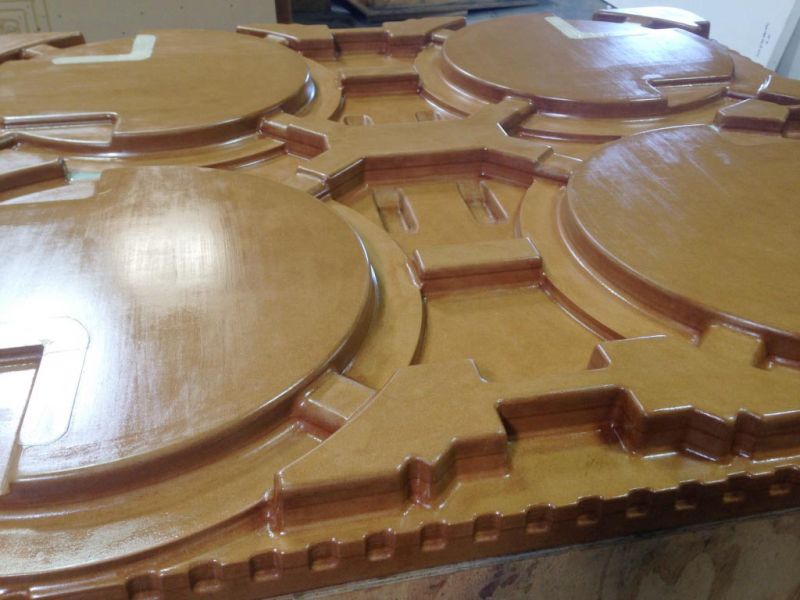
Why Tooling & Design Matter in Manufacturing
In any manufacturing project, success starts long before production begins. Tooling and design play a critical role in determining efficiency, cost, and final product quality. Poor planning at this stage can lead to delays, material waste, and costly errors—while a well-executed design process sets the foundation for smooth, scalable production.
If you’re starting a project, explore our tooling and design services to ensure everything is optimized from day one.
Reducing Costs Through Smart Design
One of the biggest advantages of investing in proper tooling and design is cost reduction. By refining product specifications early, manufacturers can minimize material waste, reduce production time, and avoid expensive revisions later.
Efficient design also allows for better compatibility with processes like vacuum forming or CNC machining, ensuring that each method is used to its full potential without unnecessary complications.
Preventing Errors Before They Happen
Errors in manufacturing often stem from design flaws or poorly developed tooling. Inaccurate measurements, weak structures, or inefficient layouts can result in defective products and rework.
With advanced planning and precise tooling, potential issues can be identified and resolved before production begins. Techniques like prototyping and 3D printing allow teams to test and validate designs, significantly reducing the risk of failure during full-scale manufacturing.
Improving Efficiency and Production Speed
Well-designed tooling streamlines the entire manufacturing process. It enables faster setup times, smoother workflows, and consistent output. This efficiency not only saves time but also reduces labor costs and increases overall productivity.
For projects that require high precision and repeatability, integrating automated processes such as robotic trimming can further enhance speed and accuracy.
The Long-Term Value of Proper Planning
While investing in tooling and design may seem like an upfront expense, it delivers long-term value. Fewer errors, faster production cycles, and optimized material usage all contribute to higher profitability over time.
Whether you’re developing a prototype or scaling up production, prioritizing this stage is essential for success. By focusing on tooling and design early, manufacturers can avoid unnecessary costs and ensure a smoother, more efficient production process from start to finish.