
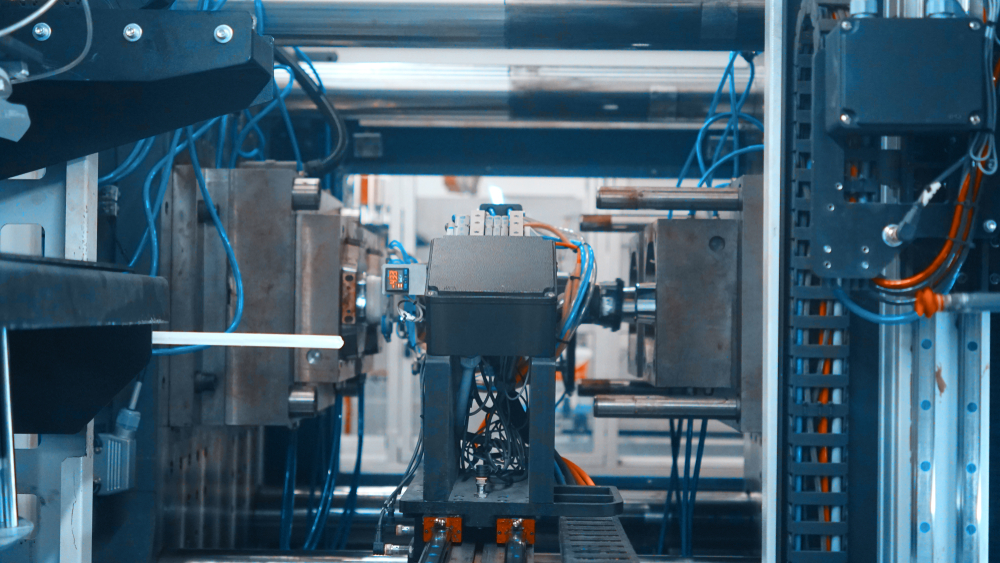
Injection molding is a manufacturing process that involves using plastic to develop a variety of components and items. The process was first developed and popularized in the early part of the 19th century, and today, it remains just as popular today, as it’s one of the most effective ways to produce complicated parts while controlling costs. The injection molding process is comprised of three main phases.
These phases are as follows:
Product design
First, a design of the component that is going to be made needs to be generated. Product design involves several key factors, including function, aesthetic appeal, and the ability to assemble and manufacture. Various types of tools can be used to design a product; however, most common designs are generated via computer-aided design software.
Mold design
Once the product design has been developed, the injection mold will be created. Molds can be made of a variety of materials; hardened steel, pre-hardened steel, aluminum, and beryllium-copper alloy, for example. Mold design is important, as it aids in developing a component that is free of mistakes.
Manufacturing
When the product that is being made via injection molding has been properly designed and die-cast, the manufacturing process can begin. This process involves using a thermostat or thermoplastic material in granular-like form. The plastic is then heated to a specific temperature and a large screw is used to drive the gate into the mold. When the mold is filled, the screw remains in place so that the proper amount of pressure can be applied for the appropriate duration of the cooling time. The screw will then be removed, the mold will be opened up, and the hole where the screw was will be filled. The gate will be automatically shared off or it will be removed manually.
If you need product design or manufacturing in California, The Pro Design Group technicians are practiced in the injection molding process. Visit us or give us a call today!